Prospect Heights, Illinois: Connected Suburban Living with a Welcoming Local Spirit
Prospect Heights, Illinois, offers a comfortable suburban lifestyle in Chicago’s northwest suburbs, with tree-lined residential areas, established neighborhoods, convenient transportation, and strong community resources. Located in Cook County, the city gives residents a calm place to come home to while keeping major employment centers, shopping destinations, recreation, and cultural attractions close by. Its setting near Arlington Heights, Mount Prospect, Wheeling, and Northbrook makes everyday life practical for commuters, families, retirees, and professionals who want access without feeling surrounded by constant activity. Prospect Heights has a friendly, lived-in character shaped by local parks, school communities, neighborhood events, and long-standing residential areas. Buyers will find a variety of housing options, from single-family homes and townhomes to condos and golf course communities. With its Metra access, nearby highways, forest preserve connections, and proximity to Chicago Executive Airport and O’Hare International Airport, Prospect Heights delivers convenience while maintaining a warm neighborhood feel.
How Did Prospect Heights, Illinois, Grow Into the Community It Is Today?
Prospect Heights began as farmland in the northwest suburbs of Chicago, shaped by open land, small settlements, and the gradual expansion of transportation routes across Cook County. In the early 20th century, the area remained largely rural, with farms, fields, and country roads defining much of the landscape. Development began to take clearer form in the 1930s, when builders saw potential in the area’s location between established neighboring communities. In 1935, developers Carlton Smith and Allen Dawson began constructing homes along Elmhurst Road, helping lay the foundation for the residential community that would become Prospect Heights.
The city’s name reflects its location and relationship to nearby communities, particularly Mount Prospect and Arlington Heights. As suburban growth accelerated after World War II, Prospect Heights attracted families who wanted space, homeownership, and access to Chicago-area jobs. Improved roads, expanding schools, and the growth of nearby commercial corridors helped the area move from a rural setting into a connected suburban city.
Prospect Heights incorporated as a city in 1976, giving residents a stronger local government structure and a clearer civic identity. Over time, the city continued to develop while keeping much of its residential character intact. Golf course communities, townhome developments, single-family subdivisions, and local business areas added variety to the housing market. The arrival of Metra’s North Central Service station in the 1990s further strengthened the city’s commuter appeal, offering rail access to downtown Chicago and other suburbs.
Today, Prospect Heights reflects decades of steady growth rather than rapid transformation. Its history can still be seen in its quiet residential streets, mature trees, neighborhood schools, and community institutions. The city has become a place where long-time residents and new homeowners share a practical, neighborly way of life. Its past as farmland and its present as a connected suburb work together to create a community that feels established, accessible, and welcoming.
Homes for Sale
What Is Life Like in Prospect Heights, Illinois?
Life in Prospect Heights centers on comfort, convenience, and community connection. Residents enjoy a suburban setting where daily errands, school activities, outdoor recreation, and commuting routes fit into a manageable routine. The city has a relaxed residential feel, with many streets lined by mature trees, traditional homes, townhomes, and condo communities. It appeals to people who want a quieter place to live while staying close to shopping, dining, entertainment, and employment throughout the northwest suburbs.
Outdoor recreation plays an important role in local life. The Prospect Heights Park District maintains community spaces and programs that serve residents of all ages. Gary Morava Recreation Center acts as a hub for fitness, classes, camps, and events, while parks such as Lions Park, Muir Park, Isaak Walton Park, and Burning Bush Trails Park provide playgrounds, sports areas, open green space, and places to gather. Old Orchard Country Club adds recreational and social elements through golf, dining, and event space. Residents also benefit from nearby forest preserves and regional trails, which create opportunities for walking, biking, birdwatching, and weekend outings.
Dining and shopping options are available in Prospect Heights and the surrounding communities. Local restaurants reflect the area’s diversity, with casual spots, cafés, international cuisine, and family-friendly dining close to home. Nearby Randhurst Village, downtown Arlington Heights, Wheeling’s Restaurant Row, and shopping corridors in Mount Prospect and Northbrook expand the options for retail, groceries, services, and entertainment.
Community events help Prospect Heights feel personal. Seasonal park district programs, holiday activities, youth sports, summer recreation, and school events bring neighbors together throughout the year. Local organizations, civic groups, houses of worship, and volunteer opportunities also support the city’s sense of connection. Families appreciate the presence of multiple school districts serving different parts of the city, while commuters value access to Metra and nearby highways.
Prospect Heights offers a lifestyle that feels steady and practical. It has the convenience buyers expect from a northwest suburb, yet it retains a comfortable neighborhood quality that makes day-to-day life feel grounded. For many residents, that balance is the city’s greatest strength.
What Are the Best Neighborhoods in Prospect Heights, Illinois?
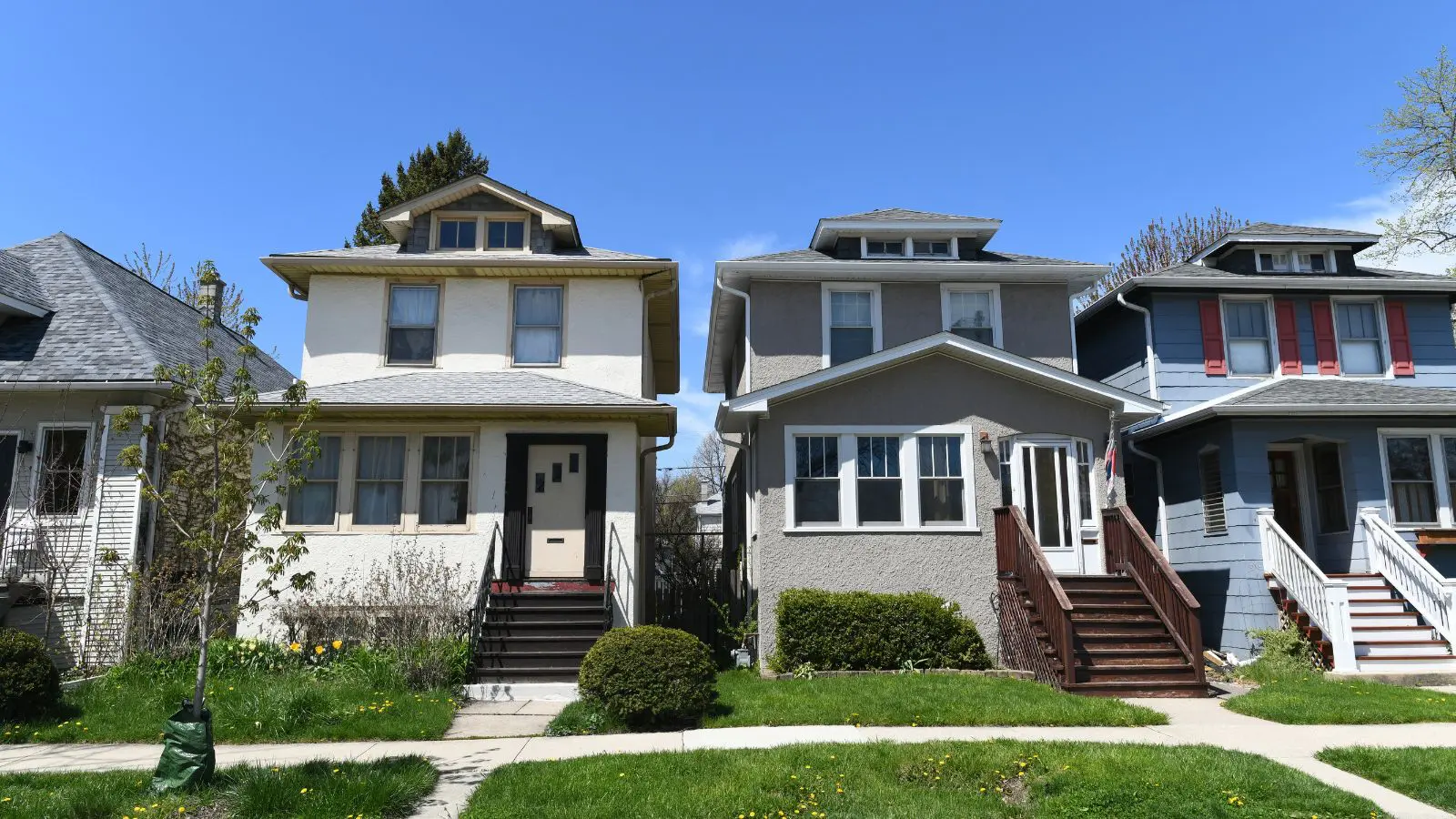
Prospect Heights offers a range of residential areas that appeal to different lifestyles, budgets, and home preferences. Some buyers are drawn to low-maintenance townhome living, while others prefer single-family homes with established yards. The city also includes condo communities, golf course residences, and quieter pockets near parks, schools, and transportation routes. Each area contributes to the city’s overall identity, giving Prospect Heights a housing mix that feels practical and inviting.
Rob Roy: Rob Roy is one of Prospect Heights’ most recognized residential areas, known for its golf course setting, townhomes, attached residences, and low-maintenance lifestyle. The community appeals to buyers who want attractive surroundings without the upkeep of a large single-family property. Many homes feature generous layouts, garages, outdoor patios, and views of landscaped common areas. Residents appreciate the peaceful environment, mature greenery, and proximity to Old Orchard Country Club. The neighborhood also offers convenient access to Wheeling Road, Euclid Avenue, shopping, restaurants, and nearby suburbs. Rob Roy works well for buyers seeking a comfortable residential setting with a polished, community-oriented feel.
Country Gardens: Country Gardens offers a more traditional residential atmosphere, with single-family homes, established streets, and a neighborhood feel that appeals to many long-term residents. The area is known for its quiet setting and convenient location near schools, parks, and everyday services. Buyers often appreciate the variety of home styles, mature trees, and yards that provide room for outdoor living. The neighborhood’s location makes it easy to reach Rand Road, Palatine Road, and nearby shopping areas. Country Gardens has a practical, welcoming quality that suits families, first-time buyers, and homeowners who value a classic suburban environment while still having access to Prospect Heights amenities.
Claire Estates: Claire Estates is a smaller residential area with a calm, tucked-away feel. The neighborhood includes well-kept homes, quiet streets, and a sense of privacy while remaining close to major routes and daily conveniences. Buyers who want a peaceful setting often appreciate this part of Prospect Heights for its residential, established feel. The area offers access to parks, schools, shopping, and nearby communities without placing residents in the middle of heavier commercial activity. Claire Estates is especially appealing for those who value a quieter pace, mature surroundings, and a neighborhood where homes feel cared for and connected to the broader community.
Prospect Heights Station Area: The area around the Prospect Heights Metra station is ideal for residents seeking commuter convenience. With the station located on South Wolf Road, this part of the city appeals to professionals who travel to downtown Chicago or other communities along Metra’s North Central Service. Housing in this area includes a mix of condos, townhomes, and single-family homes, giving buyers several options to choose from. The location also provides access to local businesses, city services, parks, and major roads. For buyers who want suburban living with easier access to rail, the station area offers a practical, connected lifestyle.
Old Orchard Area: The Old Orchard area, near Old Orchard Country Club, offers a residential setting with nearby recreation. Homes and townhomes in this part of Prospect Heights benefit from proximity to golf, dining, events, parks, and nearby commercial corridors. The area feels established, with mature landscaping and convenient access to Wheeling, Mount Prospect, and Arlington Heights. Buyers who enjoy being near green space often find this area appealing, especially if they want a setting that supports both relaxation and activity. The Old Orchard area reflects Prospect Heights’ ability to combine residential comfort with recreation and everyday convenience.
Together, Prospect Heights’ neighborhoods create a city with broad residential appeal. Buyers can find golf-course townhomes, quiet subdivisions, commuter-friendly locations, and traditional single-family settings within a compact, accessible community. That variety gives residents the ability to choose a home that fits their lifestyle while staying connected to the same parks, schools, services, and local identity.
What Schools Serve Prospect Heights, Illinois?
Prospect Heights is served by several public school districts, which means school assignments depend on a home’s location within the city. This structure gives different areas of Prospect Heights connections to respected northwest suburban districts. Prospect Heights School District 23 serves many local elementary and middle school students and includes schools such as Eisenhower Elementary School, Betsy Ross Elementary School, Anne Sullivan Elementary School, and MacArthur Middle School. The district emphasizes academic growth, student support, and community involvement, with programs designed to prepare students for high school and beyond.
Other portions of Prospect Heights are served by Wheeling Community Consolidated School District 21 and River Trails School District 26. District 21 includes schools such as Robert Frost Elementary School and Holmes Middle School for students in assigned areas. District 26 serves parts of nearby Mount Prospect and Prospect Heights, including Euclid Elementary School and River Trails Middle School. These districts provide neighborhood-based education with academic, extracurricular, and support services for students at different grade levels.
High school students in Prospect Heights generally attend schools in Township High School District 214, one of the largest high school districts in Illinois. Depending on the address, students may attend John Hersey High School in Arlington Heights or Wheeling High School in Wheeling. District 214 is known for a broad range of academic pathways, Advanced Placement courses, career and technical education, fine arts, athletics, clubs, and college readiness programs. Its high schools maintain strong ties to local communities and offer students opportunities to explore interests before graduation.
Families seeking private or parochial education can find additional options in surrounding suburbs, including Catholic schools, independent schools, early childhood centers, and faith-based programs. The northwest suburbs also offer tutoring centers, enrichment programs, music instruction, sports training, and specialized academic resources.
Higher education is close to home as well. Harper College, based in Palatine, serves the region with associate degrees, certificates, workforce training, continuing education, and transfer programs. Harper College also has a presence in Prospect Heights through its Northeast Center. Nearby universities in Chicago and the surrounding suburbs expand opportunities for undergraduate, graduate, and professional study. For families and lifelong learners, Prospect Heights offers strong access to education from early childhood through college.
What Is the Climate Like in Prospect Heights, Illinois?
Prospect Heights experiences a classic northern Illinois four-season climate. The area averages about 187 sunny days per year, around 37 inches of rainfall, and roughly 35 inches of snowfall. Summers are warm, winters are cold, and spring and fall bring noticeable seasonal change. This climate gives residents a full range of outdoor experiences, from summer park programs to snowy winter mornings.
Spring in Prospect Heights brings gradually warming temperatures, budding trees, and fresh growth across local parks and yards. March can still feel chilly, but April and May often bring daytime temperatures ranging from the 50s into the 70s. Rain showers are common, helping lawns, gardens, and landscaped areas return to color after winter. Residents begin spending more time at parks, playgrounds, golf courses, and walking paths as the season progresses.
Summer is warm and often humid, with July typically bringing average highs in the low to mid-80s and lows in the 60s. This is the season for outdoor dining, youth sports, golf, park district programs, and neighborhood gatherings. Warm evenings make patios, backyards, and community events especially appealing. Occasional thunderstorms move through the region, but many summer days offer good conditions for outdoor recreation.
Fall is one of the most comfortable seasons in Prospect Heights. September often remains mild, while October brings crisp mornings, colorful leaves, and daytime temperatures that commonly range from the 50s to 60s. Local parks and tree-lined streets become especially attractive as the season changes. Residents enjoy fall festivals, school activities, football games, and final rounds of golf before winter arrives.
Winter brings cold temperatures, snow, and occasional icy conditions. January is typically the coldest month, with average highs near the low 30s and lows often in the teens. Snowfall varies from year to year, but residents can expect several winter weather events. Even so, the city’s location and road network help keep schools, shopping, and commuting routes accessible throughout the season. For buyers who enjoy true seasonal variety, Prospect Heights offers the full Midwest climate experience.
How Convenient Is Transportation in Prospect Heights, Illinois?
Transportation is one of Prospect Heights’ strongest advantages. The city’s location in Chicago’s northwest suburbs places residents near major roads, Metra rail service, Pace bus routes, and regional airports. For commuters and frequent travelers, this connectivity makes daily life easier and expands access to employment centers throughout the region.
Metra’s North Central Service serves Prospect Heights from the station at 55 South Wolf Road. This rail line connects riders to Chicago Union Station and other suburban stops, making it useful for commuters who prefer train travel over driving into the city. Pace bus service also operates in the area, helping connect Prospect Heights with neighboring communities and transit options. While many residents rely on personal vehicles for daily errands, the availability of rail and bus service provides additional flexibility.
Drivers benefit from proximity to several important routes. Palatine Road, Rand Road, Elmhurst Road, Wolf Road, Camp McDonald Road, and Milwaukee Avenue provide access to nearby suburbs, shopping areas, schools, and business corridors. Interstate 294 is a short drive away, creating connections to O’Hare International Airport, Chicago, and other parts of the metropolitan area. Route 53 and Interstate 90 are also accessible from surrounding communities, giving residents multiple options for regional travel.
Air travel is especially convenient. Chicago Executive Airport, located near Prospect Heights and Wheeling, serves corporate and private aviation. O’Hare International Airport is also close, offering domestic and international flights for business and personal travel. This proximity is a major benefit for residents who travel often or work in industries connected to the broader Chicago economy.
Bike and pedestrian access continues to matter for residents who want active, convenient ways to move around locally. Parks, sidewalks, trails, and nearby forest preserve routes support walking and biking for recreation and short trips. While Prospect Heights remains primarily car-oriented, its compact size and access to parks help residents enjoy local movement without always relying on longer drives. Overall, the city offers a practical transportation network that supports commuting, recreation, errands, and travel beyond the northwest suburbs.
Are You Ready to Call Prospect Heights Home?
Prospect Heights, Illinois, offers the kind of suburban lifestyle many buyers hope to find: comfortable neighborhoods, convenient transportation, respected schools, useful local amenities, and easy access to the greater Chicago area. Its variety of housing options gives buyers room to choose a home that fits their needs, whether that means a quiet single-family street, a low-maintenance townhome, a condo near commuter routes, or a golf course community with attractive surroundings. Residents enjoy local parks, community programs, nearby shopping and dining, and the steady comfort of an established northwest suburb. For sellers, Prospect Heights’ location and lifestyle appeal can be strong advantages in the market. If you’re considering buying or selling in Prospect Heights, reach out today to talk through your goals, explore current opportunities, and take the next step with a local real estate professional who understands what makes this community such a welcoming place to call home.